
Driving a car with the latest safety features
While it is never pleasant to think about the worst that might happen when you are driving a car, ensuring your car is fitted with the latest safety features can help to protect you if a crash occurs or even avoid a crash altogether.
More and more, senior drivers are recognising the value in owning vehicles fitted with advanced driver assistance safety systems, like auto emergency braking and lane keeping assist.
Newer models generally come with more safety features as standard elements nowadays. So, when you are thinking about buying a new or used car, consider getting one that has the following safety features as a minimum to support safe driving and reduce the risk of an injury if a crash occurs.
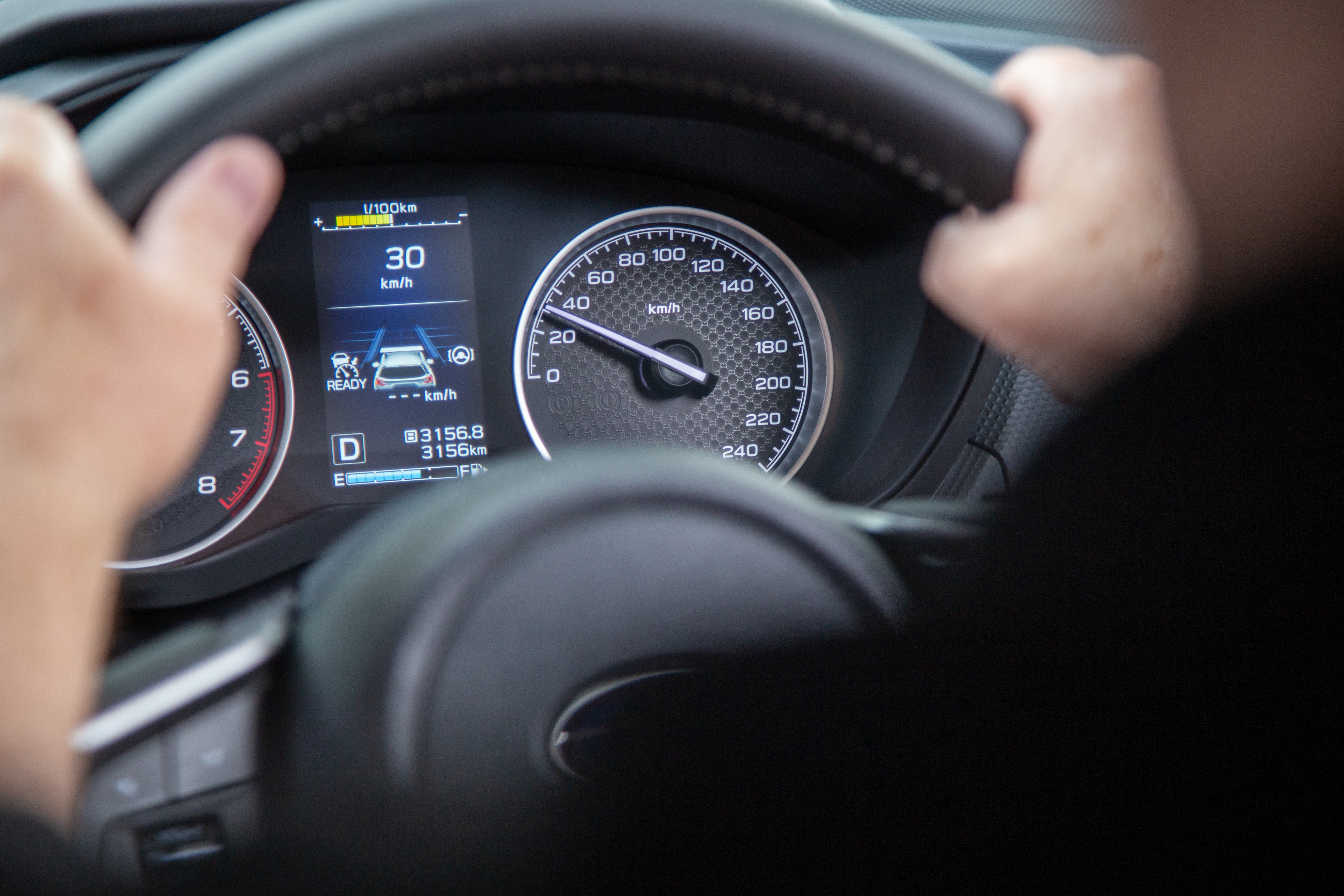
More and more Seniors are recognising the value of owning cars fitted with the latest safety systems
Key safety features
Auto Emergency Braking (AEB)
AEB systems reduce the risk of a collision with another vehicle, pedestrians, motorcyclists and cyclists using a variety of sensors and cameras to monitor the road ahead.
AEB systems alert the driver to an impending collision but if the driver doesn't take any action, the AEB system can automatically brake to reduce the effects of the collision. Automatic braking systems can help to prevent a crash altogether.
Lane Keep Assist (LKA)
LKA uses cameras to automatically make steering adjustments to keep you within your lane if you begin to drift. If you indicate to change lanes, LKA disengages.
Electronic Stability Control (ESC)
ESC uses sensors on the car to monitor the direction of travel and steering wheel position. If a hard steering maneuver occurs the technology will automatically brake individual wheels and help bring the car back on track.
Side curtain airbags
A significant percentage of crashes where people are killed or seriously injured involve a side impact crash where another vehicle hits your car side-on, or if you crash side-on into an object (e.g. a tree or pole).
Side air bags protect you from head injuries if a side impact does happen, and they protect your passengers too. The air bags drop down from the roof lining above the windows to protect the heads of front and rear passengers in the event of a side-on crash.
Blind spot monitoring
Blind spot monitoring uses sensors to detect vehicles or other objects in your blind spot, providing you with a visual warning on your side mirrors or windscreen frame. Some systems also warn you if you indicate to change lanes while there is a vehicle there.
Always remember to do a head check before changing lanes or merging.
Some models also feature ‘cyclist dooring prevention’, which sounds an alarm if it detects you opening your door into a passing cyclist.
Reversing cameras
These cameras provide you with an extra view behind the car, to combine with the mirrors and a standard head check to reverse safely.
Intelligent speed assist
Is a system that detects the speed limit on the road you are driving, if you exceed the limit it will provide you with a warning.
Understanding new safety technology
Most new safety features are very easy to drive with; many actively operate in the background and are only noticeable when they’re required to help you.
If you buy a new or used car it is important to spend some time understanding the scope of the onboard safety technologies, so you do not misuse them or become over reliant on their technology. They are there to support you.

