
Getting around without a car
Driving is very important for most of us. It gives us the freedom and independence to get out and about, stay in contact with family and friends and maintain our quality of life. If you need to stop driving, it doesn’t mean that you will lose your mobility, as there are many alternatives to driving so you can still socialise with your friends and family.
And if you no longer use your car very much, it can make good financial sense to give it up and use the money you save from not paying registration, comprehensive or third-party insurance, petrol and servicing for other things you enjoy.
If you decide to retire from driving, there is a range of transport options available and it’s important to try as many as you can to find the one that works best for you.
Public transport
Taxis/Uber/ride shares
Travel with family, friends, or neighbours
Walk or cycle
Use a motorised mobility device
Consider community transport
Start planning today for the time when you may no longer want to drive or be able to drive by exploring these public and private transport alternatives to ensure you have the confidence you need to get around without relying on your car.
Family members or friends also may be able to offer you lifts. There’s no need to feel that you are imposing by asking for a lift as they will usually be happy to help. And remember, you may be able to do them a favour in return at some point.
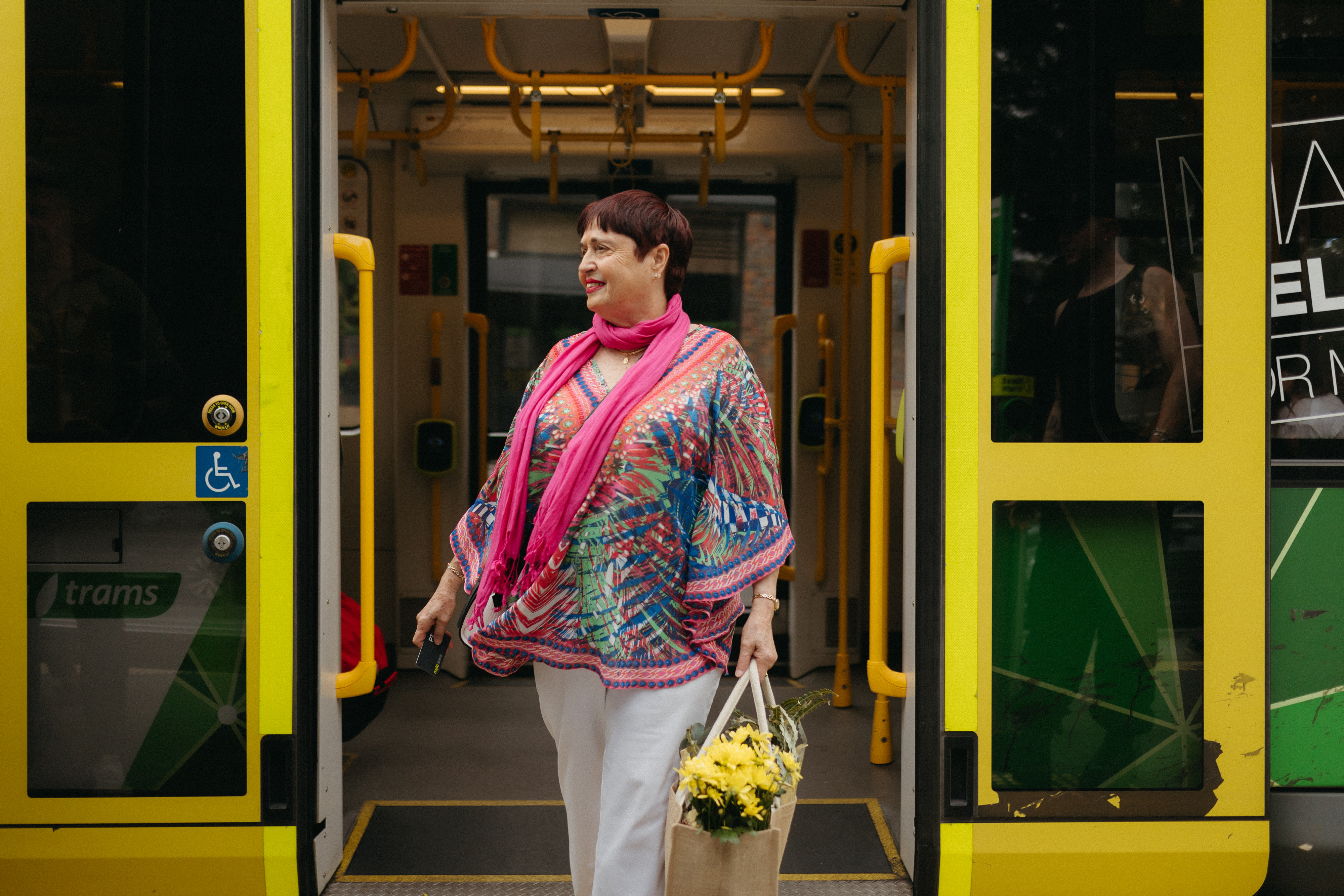
Start planning today for the time when you may no longer want to drive or be able to drive by exploring public and private transport alternatives.
Getting around without a car
Using taxi, rideshare and hire cars
Victoria has a large range of taxi, rideshare and hire car services. They can be booked online, through smartphone apps or by phone. Keep in mind that fares often increase during peak times (e.g. Saturday nights).
Ask your local council whether a taxi share scheme operates in your area. Set up an account with a reputable taxi or private hire car company to ensure that you get a familiar driver who you trust. If you attend a regular appointment, it’s a good idea to book the taxi or minicab in advance. If you use a taxi company, regularly ask if they will give you a discount.
If you have a severe or permanent disability, there’s support available through the Multi-Purpose Taxi Program (MPTP). Users benefit from subsidised fares for taxis and some rideshare services.
To receive support from MPTP you must apply for a membership which involves a medical assessment completed online by your doctor.
For more information on MPTP and how to apply visit the Safe Transport Victoria website

