
Eyesight
As does the rest of your body, your eyes naturally change throughout your life but as you get older the effects become more apparent. Having good vision is important for driving safely.
Common vision changes over your life include:
Difficulty seeing at night.
Difficulty recovering from the glare of oncoming lights.
Reduced visual acuity (i.e. how clearly you see the detail of things).
Loss of peripheral vision (i.e. your ability to see objects out of the corner of your eye).
Reduced depth perception (i.e. knowing how far away objects are).
Reduced ability to see the difference between colours.
These changes can affect your ability to see other road users, read signs, identify coloured signals like traffic lights, and judge gaps in traffic – all of which are essential for safe driving.
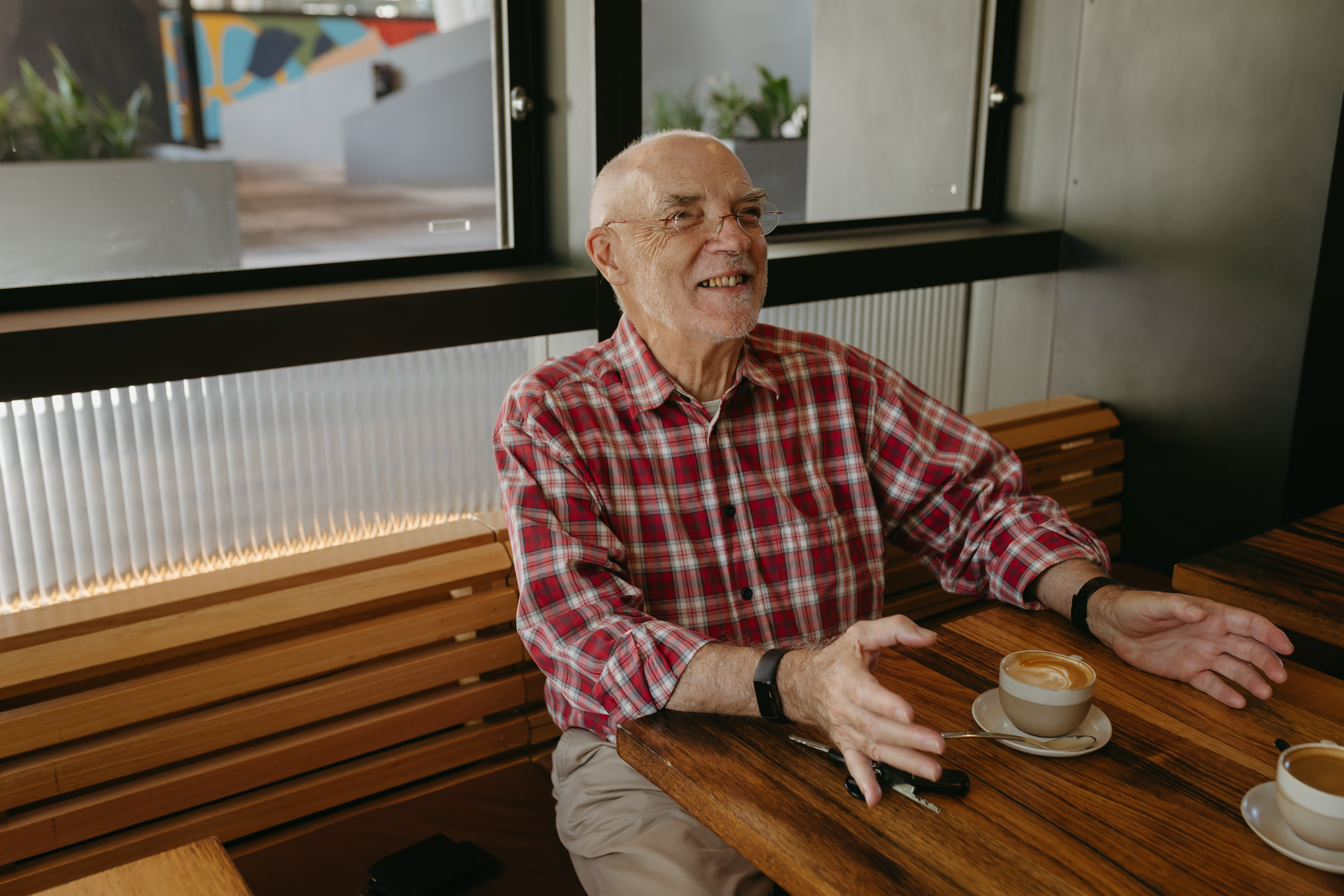
As does the rest of your body, your eyes naturally change throughout your life.
Regular eye checks
Many of us tend to take our vision for granted unless there is a problem. Despite reminders to get regular eye exams we often neglect to visit a health professional. Regular checks enable the early detection and treatment of many common age-related eye conditions, such as:
Glaucoma.
Macular degeneration.
Cataracts.
Diabetes.
The good news is changes to your vision do not always mean you need to stop driving altogether – you may just need to self-regulate where and when you drive.
With preventative care and early diagnosis many eye diseases can be reversed or prevented from progressing when they are detected in the early stages.
It is good practice to have your eyesight checked every two years by an optometrist or ophthalmologist.

